Documentary 2025/12
1. Overview and Context
In October 2025, I was working as a mid-level analyst at a federal agency in Washington D.C., where I had served for seven years.
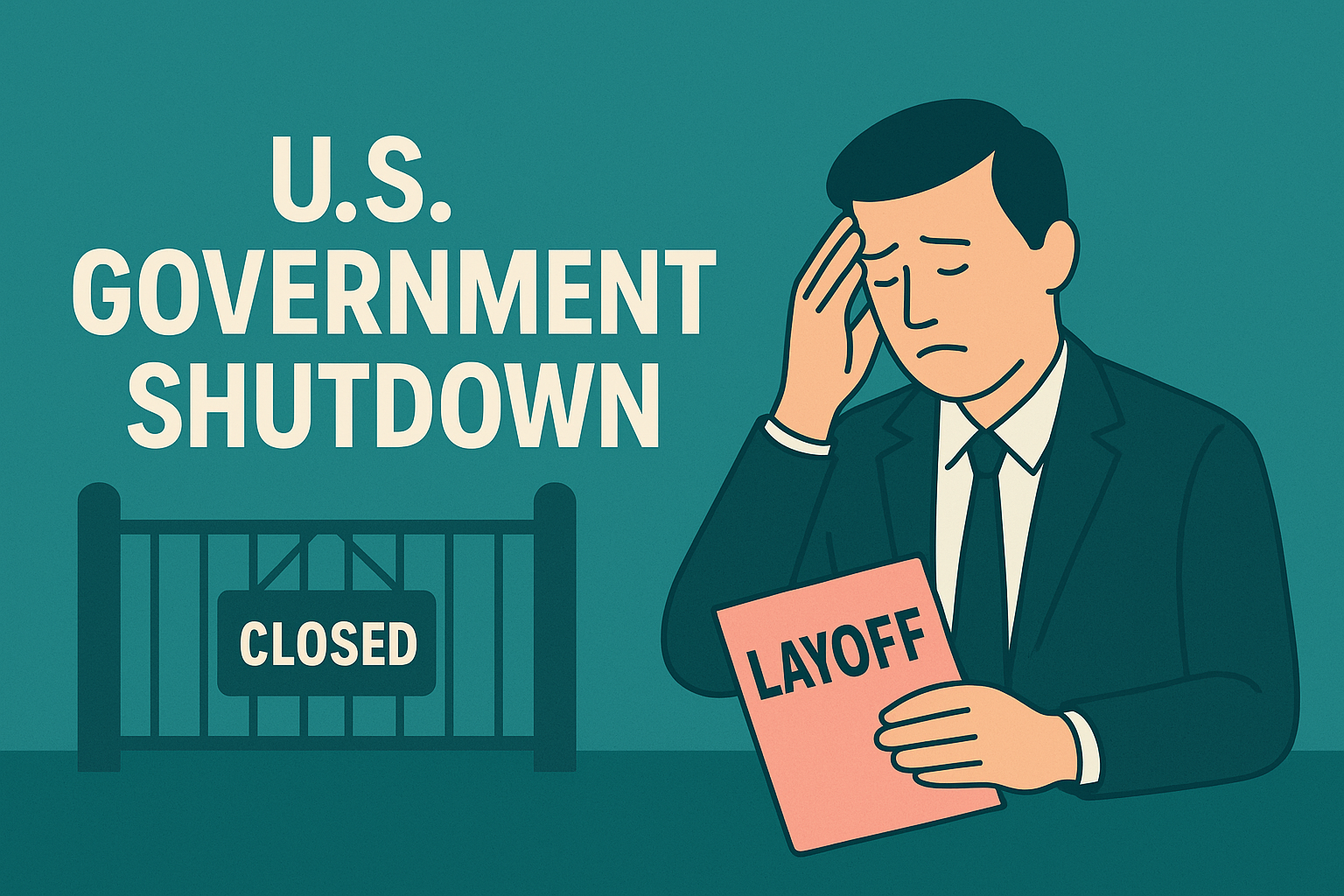
On an ordinary Monday morning, I opened my email and saw a subject line that read simply: “Reduction in Force Notice.”
That was the moment I realized this was not another temporary furlough. This time, it was a permanent layoff.
Within hours, our department chat channels filled with phrases like “no pay this cycle”, “non-essential classification”, and “indefinite leave.”
By noon, my badge access had been suspended. Everything that once symbolized job stability—benefits, reputation, and the comfort of public service—had vanished.
2. The Scale of the Layoffs
- As of late October 2025, over 210,000 federal and contract workers had exited the government workforce in some capacity. (Federal News Network)
- At least 4,100 employees have received official Reduction in Force (RIF) notices, marking the first wave of permanent dismissals. (GovExec)
- Up to 750,000 – 900,000 more are now furloughed or working without pay, depending on agency funding levels. (TIME)
| Sector / Agency | Description | Key Impacts |
|---|---|---|
| Internal Revenue Service (IRS) | About 46 % of staff (~35,000) furloughed. (AP News) | Tax-return delays, backlogs in extension filings, halted audits. |
| Public Health / Research (CDC, NIH) | Laboratories paused, contractors dismissed. (Wikipedia) | Reduced disease-tracking capacity, halted trials. |
| Education / Contract Services | Contracted program staff laid off. (NY Post) | Service interruption, contractor insolvency risks. |
| Transportation Security Administration (TSA) | Air-safety workers unpaid. (The Guardian) | Morale collapse, absenteeism, secondary job searches. |
3. The Human Cost
Economic Shock
- My paycheck vanished overnight. Mortgage, tuition, and insurance payments continued, forcing my family to request deferments and rely on credit cards.
- Many colleagues quickly took gig-economy jobs—delivery driving, part-time security, remote contract work. “I never imagined working two jobs after serving the federal government,” one said.
- Contract workers faced even harsher realities: they were terminated outright rather than furloughed, and in many cases ineligible for unemployment benefits. (NELP)
Psychological & Career Impact
- The emotional whiplash was severe. Seven years of loyalty could not protect anyone from a congressional deadlock.
- Fear and confusion permeated the office. “I survived the 2018 shutdown, but this feels different—this time I may never go back,” a colleague told me. (The Guardian)
- Many of us began reskilling—learning data analytics, cybersecurity, or project-management tools to re-enter the private sector. Others sought mental-health counseling after weeks of uncertainty.
- Local economies were hit as thousands of federal families curtailed spending, impacting retail, housing, and service industries. (Our Public Service)
4. Inside the Workplace Collapse
- In previous shutdowns, most employees were simply furloughed and later reinstated. This time, agencies initiated permanent layoffs, freezing projects mid-stream.
- I lost access to project servers within hours. Ongoing data analysis programs were abandoned with no handover. Institutional knowledge vanished with departing staff.
- Morale among those remaining plummeted. “Who’s next?” became the question whispered in every corridor. (The Guardian)
- Some unions began preparing legal challenges, citing lack of due process and incomplete notice periods.
5. Broader Economic & Global Implications
- A week of shutdown can shave $15 billion off U.S. GDP. (Politico)
- Interruptions in government contracts and public spending ripple into private industries—including aerospace, construction, and research sectors with Japanese or European partners.
- For foreign investors and multinational corporations, missing U.S. economic data (employment, inflation, GDP) translates into blind decision-making and greater financial volatility.
6. Lessons and Recommendations — From the Ground Up
| Category | Reality Check | Recommended Action |
|---|---|---|
| Personal Finance | No guaranteed paycheck for weeks. | Build emergency savings; negotiate mortgage/loan deferrals. |
| Career Transition | Federal skills may not transfer directly. | Upskill in private-sector-relevant fields (data, compliance, project ops). |
| Networking | Government circles are shrinking. | Reconnect with alumni, NGOs, tech start-ups, and private contractors. |
| Mental Health | Chronic stress from uncertainty. | Seek counseling or employee-assistance programs early. |
| Legal / Policy Awareness | Many contractors excluded from UI benefits. | Verify eligibility; use union/legal support if needed. |
7. Reflection — What This Experience Means
The shutdown did not simply take away a job; it shattered the illusion of permanence that public service once promised.
Our lives, mortgages, and identities had been tied to a system that proved politically fragile.
In the weeks since my layoff, I’ve come to see this crisis not only as a personal setback but as a national warning:
No institution, however venerable, is immune to dysfunction when governance fails.
For the individuals affected, adaptability has become the new form of job security.
For agencies and policymakers, transparency and contingency planning are not luxuries—they are moral obligations.
And for employers worldwide, this episode should serve as a wake-up call: resilience lies not in budgets or buildings, but in the people who keep them running.
Author’s Note
Written by a former U.S. federal employee laid off during the 2025 government shutdown.
This testimony aims to shed light on the lived realities behind statistics—and to remind leaders that behind every budget impasse lies a human story of purpose, anxiety, and the struggle to rebuild.