Crisis

Crisis

Why Disruptions in the Strait of Hormuz Could Become a Living-Cost Crisis for the World’s Most Vulnerable Economies

Based on UNCTAD’s latest report, this article explains how disruptions in the Strait of Hormuz could raise oil import costs, fuel inflation, intensify fiscal pressure, and slow growth in least developed countries and small island developing States.Category: Global Economy / Energy Security / Emerging MarketsTags: Strait of Hormuz, oil prices, UNCTAD, energy security, least developed countries, small island developing States, inflation, geopolitical risk
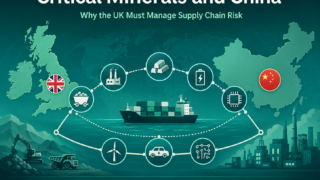
China

Why UK Cannot Cut China Out of Critical Minerals — The Age of Managed Dependency

メタディスクリプションThe UK cannot fully decouple from China’s critical mineral supply chains. This report explains why managed dependency, data protection, and supply-chain visibility are now essential for economic security.
Crisis

Economic Impact of Hormuz Strait Closure Risk: Geopolitical Tensions and Market Implications

July 2025: Middle East Instability and the Changing Structure of the Global Energy Economy■ IntroductionAs of July 2025,...
Crisis

Report: Economic Impact of a Hormuz Strait Closure on Japan

– Assessing Vulnerabilities in Energy Security and Macroeconomic Stability –Chapter 1: Introduction – Why the Strait of ...
Crisis

Scenario Analysis: Closure of the Strait of Hormuz and Global Economic Impact

– Strategic Risk Assessment and Japan’s Response to Middle East Geopolitical Tensions –Strategic Importance of the Strai...
Crisis

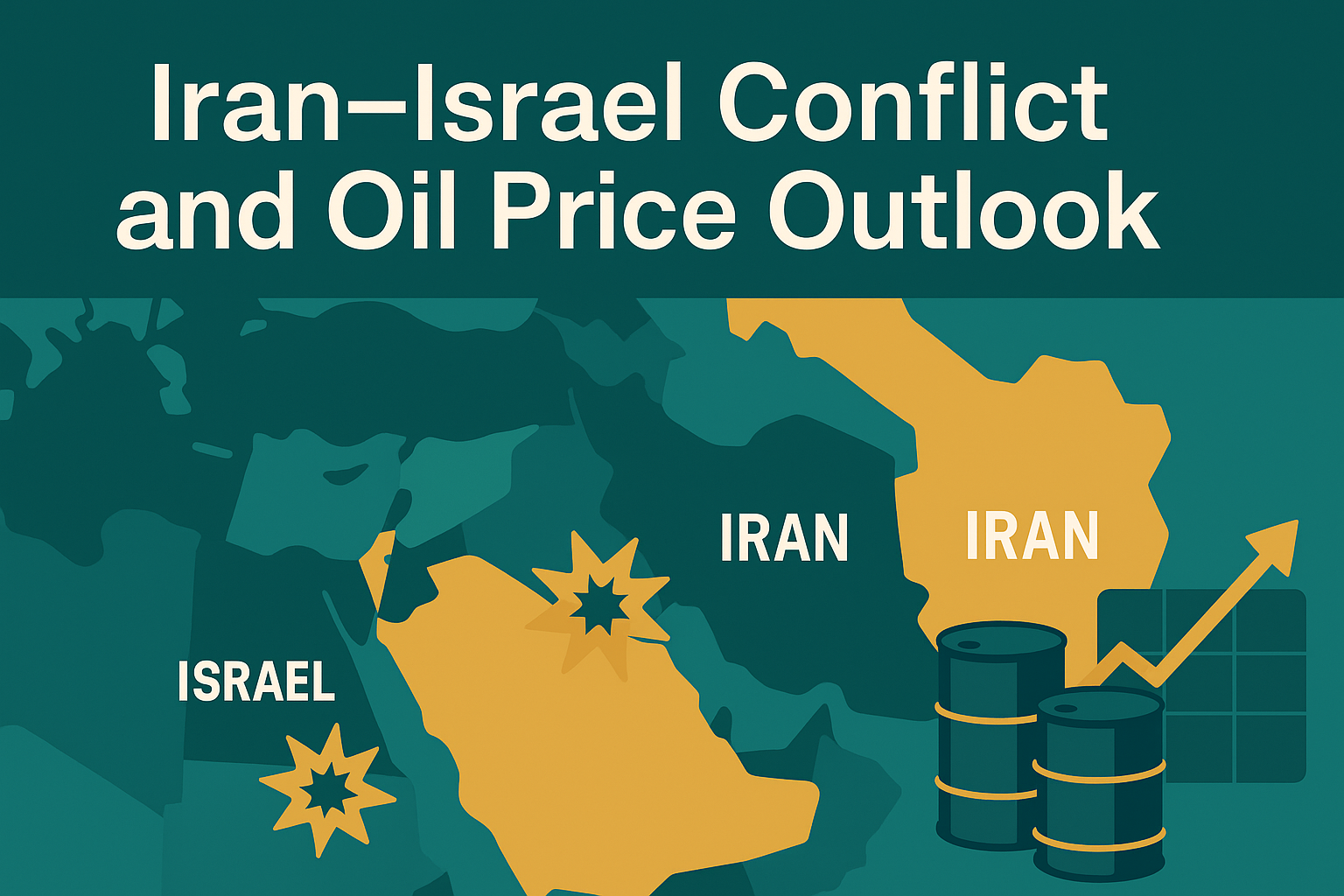
Iran–Israel Conflict and Oil Price Outlook

—A Multi-Scenario, Multi-Stakeholder Analysis Using Horizontal Thinking— Conflict BackgroundSince June 12, 2025, Israel ...
Crisis

Military Clash Between Palestine and Iran: Implications for Japan’s Energy-Sensitive Economy

June 2025 | Keigo Shibata, Senior EconomistThe June 2025 military clash between Palestinian armed factions and Iranian-s...